
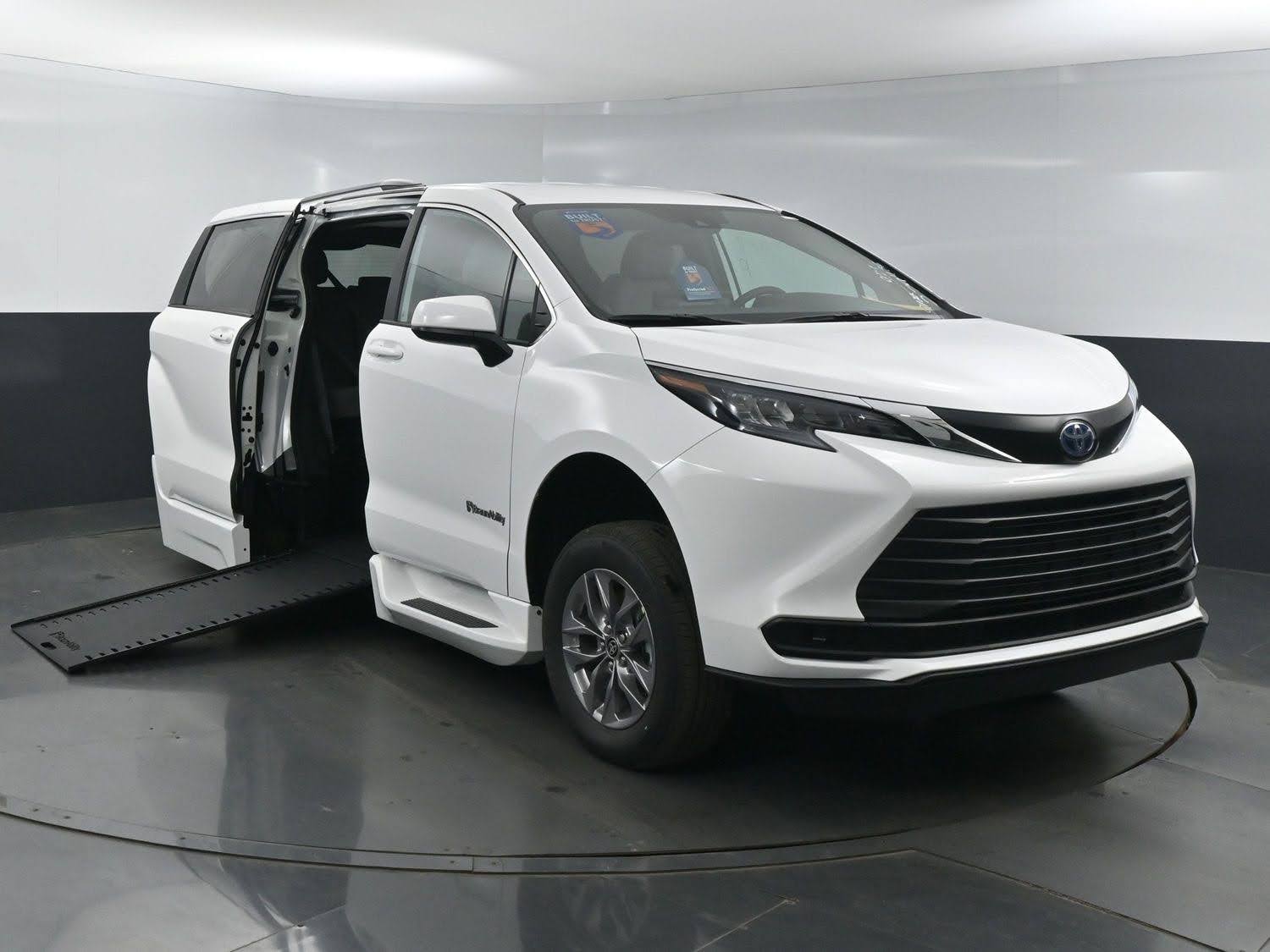
Choosing the Right Wheelchair Accessible Vehicle for Your Needs
Choosing a wheelchair accessible vehicle comes down to how it will be used day to day. The right setup depends on whether the individual is driving or riding as a passenger, how they enter and exit, and what level of support is needed.
Instead of focusing on specific vehicle models, it helps to look at how different configurations function in real use. This makes it easier to narrow down options and choose something that fits both current needs and what may be required in the future.
Why the Right Setup Matters More Than the Vehicle Itself
When people start looking for a wheelchair accessible vehicle, it is common to focus on the make, model, or price. What matters most is how it is set up to be used. Starting with the right configuration helps narrow down options that will actually work in everyday situations. Two vehicles with the same base model can function completely differently depending on how they are configured.
A better way to approach this is to start with how the vehicle will actually be used.
Start With the Most Important Question: Driver or Passenger?
The first step in choosing an accessible vehicle is understanding the role of the person using it. Whether they are driving or riding as a passenger changes the type of vehicle and equipment required.
Driving setups need to account for control, positioning, and how the individual operates the vehicle safely. Passenger setups focus more on access, seating position, and how the vehicle works within a family or caregiver routine.
Starting here helps narrow down the options quickly and ensures the rest of the decisions are based on how the vehicle will actually be used.
When the Wheelchair User Is Driving
Driving requires a setup that supports safe control of the vehicle. This includes how the person enters, where they are positioned, and what equipment is needed to operate the vehicle independently.
When the Wheelchair User Is a Passenger
Passenger setups focus on how the person enters the vehicle and where they sit. Comfort, space, and how the vehicle fits into daily routines all play a role in choosing the right option.
If You’re Driving: How Mobility Level Shapes the Vehicle
Once it is established that the individual will be driving, the next step is understanding their level of mobility. The key factor is whether they can transfer out of their wheelchair or need to remain in it while driving.
Can Transfer to the Driver’s Seat
If the individual can transfer to the driver’s seat, there are more vehicle options available. If they can also load a manual wheelchair, a car, SUV, or truck may work with equipment such as a Braun EVO or Adapt-Solutions Link transfer seat, or a transfer board like the XL Seat. You can browse our current inventory to see available vehicles that can be adapted to this type of setup.
If the individual can transfer but cannot lift the wheelchair into the vehicle, the setup usually needs to move toward a lowered floor minivan, full-size van, or pickup truck. In some cases, a robot arm or Speedy lift can help load the wheelchair. A pickup may also use a Bruno lift system, along with a Braun EVO or Link seat, so the driver can transfer into the vehicle and bring the wheelchair into the truck bed.
Cannot Transfer (Drive From Wheelchair)
If the individual cannot transfer, the vehicle needs to allow them to enter and drive directly from their wheelchair. One option is a lowered floor minivan with ramp access, where the wheelchair moves into the driver’s position and locks in place with a power tie-down. These setups typically require hand controls and may also use equipment such as different spinner knobs, a Sure Switch directional control, or low effort steering.
Another option is a modified pickup truck or large SUV, such as a Suburban or Yukon XL, with a lowered floor and platform lift that brings the wheelchair user into the driver’s position. These setups also require hand controls and other adaptive driving equipment.
If You’re a Passenger: Positioning and Entry Become Key
Can Transfer
If the individual can transfer out of their wheelchair, a wider range of vehicles can be used. A car, SUV, or truck may work with the addition of a transfer seat such as a Braun EVO or Adapt-Solutions Link seat. If a manual wheelchair, power wheelchair, or scooter also needs to be transported, a lift system may be added to assist with loading.
Cannot Transfer
If transferring is not possible, the vehicle must allow the individual to remain in their wheelchair during transport. This typically means choosing between a lowered floor minivan or a full-size van, depending on space, family needs, and preference.
If the goal is to sit in the front passenger position, a side-entry vehicle is required. These setups often use a ramp system and may include a kneeling feature to reduce the ramp angle for easier entry.
If seating position is flexible, both side-entry and rear-entry vehicles can be considered. Side-entry vehicles allow curbside access and more interior space, while rear-entry vehicles are often easier to use in tight parking situations and require less space beside the vehicle. Available options can vary, so it can help to review current inventory when comparing configurations.
Side Entry vs Rear Entry: What Actually Changes Day to Day
Both side-entry and rear-entry vehicles allow wheelchair users to remain seated during travel, but the way they function in everyday situations can feel very different depending on where and how the vehicle is used.
Side Entry
Side-entry vehicles allow access from the side of the van, often from the curb. This can be helpful in urban areas where street parking is common, as it keeps the user away from traffic.
They also offer more interior space and flexibility, including the ability to position the wheelchair closer to the front or accommodate additional passengers. This makes them a good fit for larger families or situations where the vehicle is used frequently with others.
Rear Entry
Rear-entry vehicles allow the wheelchair to enter from the back of the van. This setup is often simpler to use in parking lots or tighter spaces since it does not require room beside the vehicle for a ramp to deploy.
They are typically more straightforward to enter, with a direct path into the vehicle, and can be a practical option for users who prioritize ease of access and consistent parking conditions over interior flexibility.
If you want a more detailed breakdown of how these options compare, you can read our blog post, Rear-Entry vs. Side-Entry Wheelchair Vans: How to Choose the Right One for You?
Other Factors That Influence the Right Choice
Where You Live and Drive
Where the vehicle is used can affect what works best. Urban areas may benefit from curbside access, while rural settings may require more ground clearance and durability.
Budget and Vehicle Options
Budget will influence whether a new or pre-owned vehicle makes more sense. Well-maintained used vehicles can still be a reliable option when properly refurbished.
Family and Daily Use
The vehicle should work for more than one person. Passenger space, ease of access, and daily routines all play a role in choosing the right setup.
Planning for Future Mobility Needs
If mobility needs are expected to change, it helps to plan ahead. Choosing the right setup early can avoid the need for major changes later.
Don’t See Your Situation Exactly? Most Setups Are Customized
Not every situation fits into a single category. Many accessible vehicles are built or modified based on a combination of needs, preferences, and daily use. It is common to adjust the setup to better match how the vehicle will actually be used.
Questions People Ask When Choosing an Accessible Vehicle
Choosing the right accessible vehicle often comes with a few key questions. Below are some of the most common ones people ask when comparing options and narrowing down what will work best.
What type of wheelchair accessible vehicle is best for me?-
The right option depends on how the vehicle will be used. Key factors include whether the individual is driving or a passenger, if they can transfer out of their wheelchair, and how the vehicle fits into daily routines such as parking and family use.
Do I need a side-entry or rear-entry vehicle?+
This depends on where and how the vehicle is used. Side-entry vehicles are often better for curbside access and larger families, while rear-entry vehicles can be easier to use in tight parking spaces and require less room beside the vehicle.
Can I use a standard car with a wheelchair?+
In some cases, yes. If the individual can transfer and manage their wheelchair, a car, SUV, or truck may work with the addition of equipment such as a transfer seat and hand controls. If not, a modified vehicle may be required.
What if my mobility needs change in the future?+
It is important to consider how needs may evolve over time. Choosing a setup that can accommodate future changes can help avoid the need for major modifications or replacing the vehicle later on.
Do I need a professional assessment before choosing a vehicle?+
Not always, but it can be helpful in more complex situations, especially when driving is involved. An assessment can help identify the safest setup and ensure the right equipment is selected from the start.
Get Guidance Based on How You Actually Use a Vehicle
Choosing the right vehicle is easier when it is based on real use, not just specifications. If you are comparing options or unsure where to start, speaking with a mobility specialist can help you narrow things down and move forward with confidence.
You can contact Universal Motion to discuss your situation or review current inventory to see what options are available.