
Lifespan, Mileage, and When to Upgrade
A wheelchair accessible van is one of the most significant investments a family or individual can make for independent mobility. Unlike a standard passenger vehicle that serves a single purpose, a converted wheelchair van combines factory engineering with specialized adaptive equipment, including ramps, lowered floors, securement systems, and reinforced electrical components, all working together to deliver safe, reliable transportation every single day. Naturally, one of the most common questions our clients ask is: how long will it last?
The answer depends on several factors, from the base vehicle platform and the quality of the conversion to how the van is maintained and where it operates. A wheelchair van driven year-round through Canadian winters faces very different stresses than one garaged in a temperate climate. Road salt, freeze-thaw cycles, and extreme temperature swings all accelerate wear on both the factory chassis and the adaptive components bolted onto it.
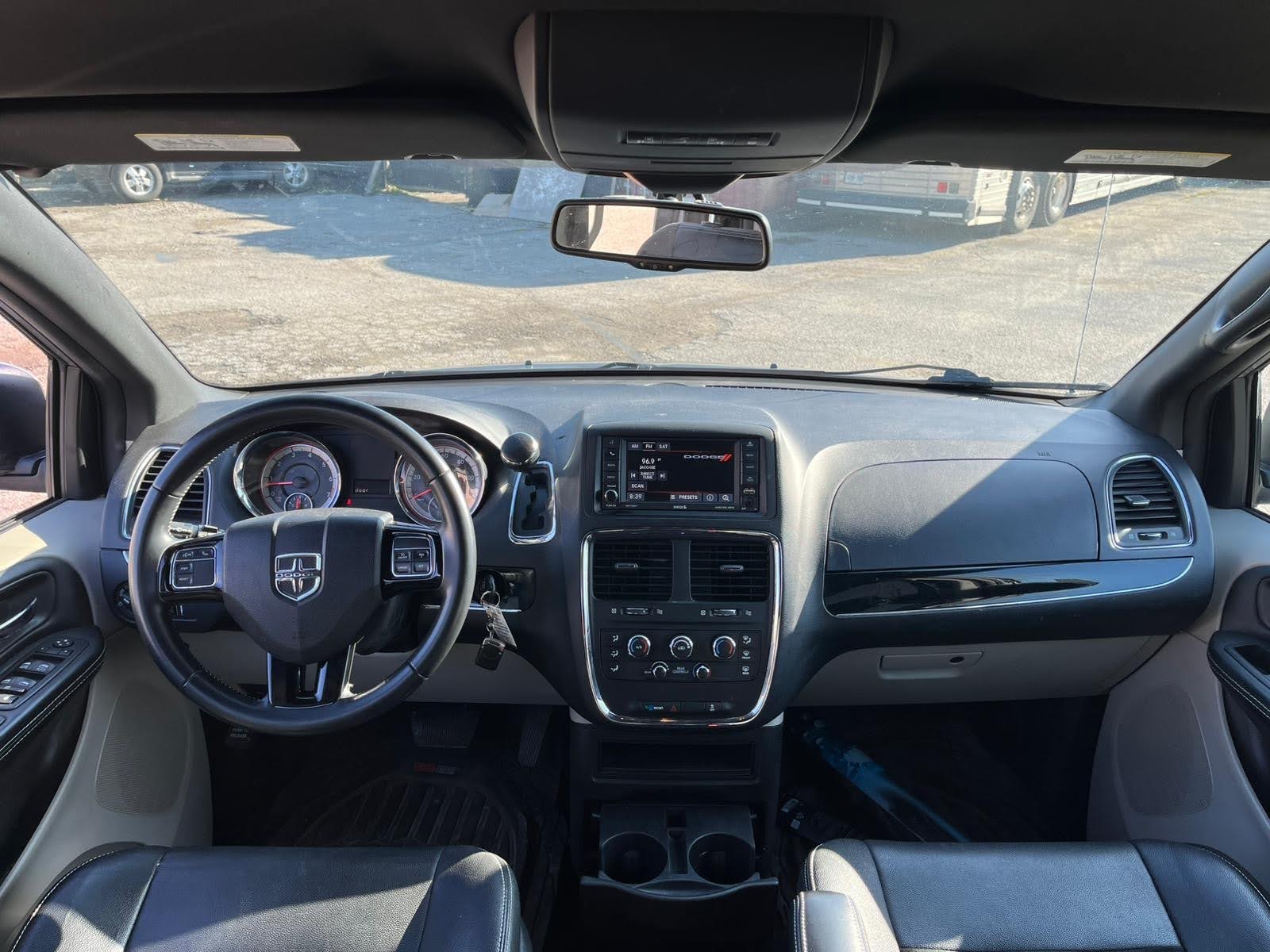
This guide breaks down the real-world lifespan of a wheelchair accessible van in Canada, explains what affects longevity the most, and helps you recognize the signs that it may be time to start thinking about an upgrade. Whether you currently own a converted Toyota Sienna, a Dodge Grand Caravan, or a full-size RAM platform, the principles below apply to every wheelchair accessible vehicle on the road.
Wheelchair Van Lifespan at a Glance
| Factor | Typical Range | Key Consideration |
|---|---|---|
| Base vehicle lifespan | 200,000 to 350,000 km | Depends on platform, maintenance, and driving conditions |
| Conversion equipment lifespan | 8 to 15 years | Ramps, lifts, and electrical systems age independently of the chassis |
| Road salt corrosion impact | Accelerates wear by 2 to 4 years | Undercarriage and ramp tracks are most vulnerable |
| Average annual mileage (Canada) | 15,000 to 20,000 km | Higher for daily-use accessible vehicles |
| Recommended replacement window | 10 to 15 years or 250,000+ km | Whichever milestone arrives first |
What Determines How Long a Wheelchair Van Lasts?
No single number defines the lifespan of a wheelchair accessible vehicle. The longevity of your van is shaped by the interaction between its factory-built base platform and the aftermarket conversion components installed on top of it. Understanding both sides of that equation helps you plan ahead and protect your investment for as long as possible.
The Base Vehicle Platform
The foundation of every wheelchair van is a production minivan, full-size van, or SUV manufactured by companies like Toyota, Dodge (Stellantis), RAM, or Mercedes-Benz. These platforms are engineered with specific drivetrain, suspension, and body-on-frame or unibody construction standards. A well-maintained Toyota Sienna, for example, is widely recognized for reaching 300,000 kilometres or more with proper servicing. The Dodge Grand Caravan, one of the most popular platforms in the Canadian accessible vehicle market, routinely delivers 200,000 to 280,000 kilometres before major drivetrain components begin to demand costly repairs.
The key takeaway is that the base vehicle sets the ceiling. No matter how well-maintained the conversion equipment is, once the engine, transmission, or structural frame reaches end of life, the van itself is finished.
The Conversion Components
The adaptive equipment installed during a wheelchair van conversion operates on its own wear timeline. Ramp systems, whether manual fold-out or power-operated, endure thousands of deployment cycles over their lifetime. Power ramps rely on electric motors, cables, and track assemblies that gradually wear down. Lowered floor pans, which are welded or bolted into the factory floor structure, are exposed to road debris and moisture from underneath. Wheelchair securement systems, including Q’Straint retractors, docking stations, and lap-and-shoulder belts, experience repetitive stress with every trip.
On average, conversion-specific components have a functional lifespan of roughly 8 to 15 years, depending on usage frequency and maintenance. A family that deploys the ramp six times per day will wear out motor assemblies and track rollers significantly faster than one that uses the ramp twice daily.
How Canadian Winters Affect Wheelchair Van Longevity
Canada’s climate presents unique and serious challenges for wheelchair accessible vehicles. The combination of prolonged sub-zero temperatures, heavy snowfall, and aggressive road salt application creates a harsh operating environment that accelerates degradation in ways that owners in milder climates simply do not face.
Road Salt and Undercarriage Corrosion
Road salt is the single most damaging environmental factor for any vehicle in Canada, and wheelchair vans are especially vulnerable. Standard vehicles have a sealed factory undercarriage, but converted vans feature modified floor pans, exposed ramp tracks, and additional mounting hardware that create crevices where salt-laden slush accumulates. Over multiple winters, this leads to corrosion of the ramp guide rails, rusting of the lowered floor pan seams, and degradation of the electrical wiring harnesses that power the ramp and door systems.
In provinces like Ontario, Quebec, and the Maritimes, where road salt usage is heaviest, this corrosion can shorten the effective lifespan of conversion components by two to four years compared to vehicles operated primarily in British Columbia or southern Alberta, where salt use is lower.
Freeze-Thaw Cycles and Mechanical Stress
Beyond salt, the constant expansion and contraction caused by freeze-thaw cycles stresses welded joints, rubber seals, and hydraulic lines. Ramp seals that keep water out of the track assembly can crack and harden after several winters, allowing moisture intrusion that leads to internal corrosion and eventually, mechanical failure. Power door actuators and wiring connectors are also susceptible, as repeated freezing and thawing can cause connector pins to corrode and circuits to develop intermittent faults.
Battery and Electrical System Strain
Most wheelchair van conversions rely on an auxiliary battery to power the ramp and automatic door systems independently of the vehicle’s main starting battery. Canadian winters are notoriously hard on batteries. Cold temperatures reduce battery capacity by as much as 30 to 40 percent, meaning the auxiliary system has to work harder to deploy the ramp in January than it does in July. Over time, this accelerated discharge-and-recharge cycling shortens battery life, and a failed auxiliary battery can leave a wheelchair user stranded with a non-functional ramp.
Mileage Benchmarks: When Do Problems Typically Start?
While every vehicle is different, the Canadian wheelchair van market shows consistent patterns in terms of when owners begin to encounter significant maintenance issues. Understanding these mileage benchmarks helps you budget for repairs and plan for eventual replacement.
0 to 100,000 km: The Reliable Window
During the first 100,000 kilometres, both the base vehicle and the conversion equipment are typically in strong working condition. Factory warranties cover the drivetrain, and conversion warranties (usually 3 to 5 years, depending on the converter) cover the adaptive equipment. Maintenance during this phase is straightforward: oil changes, tire rotations, brake inspections, and periodic lubrication of the ramp tracks and hinges.
100,000 to 200,000 km: The Maintenance-Intensive Phase
This is the range where proactive maintenance makes the biggest difference. The base vehicle may need its first major service items: transmission fluid flushes, suspension component replacements (struts, bushings, sway bar links), and brake system overhauls. On the conversion side, power ramp motors may begin to slow down, cables may stretch, and securement retractors may lose their spring tension. Electrical connectors exposed to years of road spray may develop corrosion that causes intermittent ramp or door malfunctions.
Owners who stay on top of these issues during the 100,000 to 200,000 kilometre window can often extend the van’s usable life well beyond 250,000 kilometres. Those who defer maintenance may find themselves facing cascading failures that make the vehicle unreliable or unsafe.
200,000+ km: The Decision Point
Beyond 200,000 kilometres, the economics of repair versus replacement become the central question. Transmission rebuilds, engine repairs, and major conversion refurbishments (new ramp assemblies, floor pan rust remediation, full electrical rewiring) can individually cost thousands of dollars. When multiple systems need attention simultaneously, the total repair bill may approach or exceed the cost of purchasing a quality pre-owned wheelchair van with lower mileage and a newer conversion.
Signs It’s Time to Upgrade Your Wheelchair Van
Knowing when to transition from repair mode to replacement mode is one of the most important financial and safety decisions an accessible vehicle owner will make. Here are the warning signs that indicate your current van may be approaching end of life.
- Ramp reliability issues: If the ramp is jamming, deploying unevenly, or failing to retract fully more than once a month, the mechanical system is degrading beyond routine maintenance. A ramp failure with a wheelchair user on it is a serious safety hazard.
- Visible rust on the floor pan or ramp tracks: Surface rust is cosmetic, but structural rust (flaking, pitting, or perforation of the modified floor pan) compromises the integrity of the conversion and cannot always be safely repaired.
- Frequent electrical faults: Intermittent failures in the power ramp, automatic door, or interior lighting systems often indicate corroded wiring harnesses. Chasing electrical gremlins in a high-mileage conversion can become an expensive, open-ended repair.
- Transmission hesitation or slipping: The transmission is one of the most expensive drivetrain components to rebuild. If your van is exhibiting delayed shifts, slipping between gears, or shuddering under acceleration, a rebuild or replacement may cost $4,000 to $7,000 or more.
- Increasing repair frequency: If you are visiting the mechanic every two to three months for different issues, the cumulative annual cost of keeping the van on the road may exceed the monthly payment on a replacement vehicle.
- Safety system concerns: Worn wheelchair securement straps, a docking station that no longer locks firmly, or seat belt retractors that fail to hold tension are non-negotiable safety issues that demand immediate attention and may signal that the entire securement system needs replacement.
Extending the Life of Your Wheelchair Van in Canada
While every vehicle has a finite lifespan, disciplined maintenance can add years of reliable service to your wheelchair accessible van. The following practices are especially important for Canadian owners.
- Undercarriage washing: During winter months, wash the undercarriage of your van every one to two weeks to remove accumulated road salt. Pay particular attention to the ramp tracks, floor pan seams, and any exposed mounting brackets. Many automatic car washes offer an undercarriage spray option.
- Ramp track lubrication: Apply a silicone-based lubricant to the ramp guide rails and hinges every 60 to 90 days. Avoid petroleum-based products, which can attract dirt and debris, creating abrasive buildup in the track channels.
- Annual conversion inspection: In addition to your standard vehicle service, have the conversion components inspected annually by a qualified technician. This includes testing the ramp motor draw (amperage), checking cable tension, inspecting securement hardware, and verifying the integrity of the lowered floor welds.
- Auxiliary battery maintenance: Have the auxiliary battery load-tested every fall before winter arrives. Replace it proactively every three to four years rather than waiting for a cold-weather failure.
- Rust prevention treatment: Apply a professional-grade rust inhibitor (such as Krown or Rust Check) to the entire undercarriage annually, including the conversion-specific components. This is one of the most cost-effective investments you can make to protect a wheelchair van in the Canadian climate.
- Securement system checks: Inspect wheelchair tie-down straps and retractors for fraying, corrosion, or reduced tension every six months. Replace worn components immediately. Securement systems are life-safety equipment.
Buying Used: What Mileage and Age Should You Look For?
For families and individuals shopping for a pre-owned wheelchair accessible vehicle, understanding lifespan benchmarks helps you evaluate listings with confidence. The ideal used wheelchair van balances remaining vehicle life against an affordable purchase price.
- Sweet spot for value: Vehicles in the 60,000 to 120,000 kilometre range with a conversion age of 4 to 8 years typically offer the best balance. The base vehicle still has substantial mechanical life remaining, and the conversion components are past the initial break-in period but not yet approaching end-of-life wear.
- Red flags to watch for: Avoid vehicles with visible floor pan rust, ramp systems that hesitate or make grinding noises during deployment, or conversions performed by unknown or defunct conversion companies (replacement parts may be unavailable).
- Conversion pedigree matters: Vans converted by reputable, established companies tend to use higher-quality components and more durable installation methods. Ask for the conversion certificate and verify the converter’s current warranty and parts availability.
- Request a conversion-specific inspection: A standard pre-purchase vehicle inspection does not cover adaptive equipment. Ask for a dedicated assessment of the ramp system, securement hardware, lowered floor integrity, and electrical systems by a shop experienced with wheelchair van conversions.
Universal Motion’s inventory of used wheelchair vans is inspected, serviced, and backed by our commitment to transparency. Every vehicle includes a detailed condition report covering both the base platform and the conversion components.
Side-Entry vs. Rear-Entry: Does Entry Type Affect Lifespan?
The two primary wheelchair van configurations, side-entry and rear-entry, have slightly different wear profiles that can influence long-term durability.
Side-Entry Vans
Side-entry vans feature a ramp that deploys from the passenger side of the vehicle. Because the ramp folds into the doorway area, the door opening mechanism and the ramp track are integrated into the vehicle’s side structure. Side-entry conversions tend to experience more wear on the door actuator and ramp guide rails, particularly if the van is frequently parked on uneven surfaces or gravel driveways where the ramp must compensate for slope.
Rear-Entry Vans
Rear-entry vans deploy the ramp from the back of the vehicle, typically through a modified rear hatch or tailgate. The ramp track is shorter and simpler in most rear-entry designs, which can reduce the number of mechanical failure points. However, rear-entry ramps are more directly exposed to road spray, salt, and debris kicked up by the rear wheels, making corrosion protection especially important.
Neither configuration is inherently more durable than the other. The difference comes down to maintenance discipline and operating conditions. For a detailed comparison of both entry types, read our blog post: Rear-Entry vs. Side-Entry Wheelchair Vans: How to Choose the Right One for You.
When Upgrading Makes More Sense Than Repairing
There comes a point in every wheelchair van’s life where continuing to repair becomes more expensive than transitioning to a newer vehicle. This decision is both financial and practical.
The financial calculation is straightforward: if your projected repair costs over the next 12 months exceed 40 to 50 percent of the van’s current market value, upgrading is almost always the smarter investment. A $6,000 transmission rebuild on a van worth $10,000 is a difficult proposition, especially when additional conversion repairs may follow.
The practical calculation is equally important. Reliability is not just a convenience issue for wheelchair van owners. It is a safety and independence issue. A van that strands a wheelchair user with a failed ramp or leaves a family without accessible transportation during a Canadian winter is more than an inconvenience. It disrupts medical appointments, employment, education, and daily life in ways that a standard vehicle breakdown does not.
If your current vehicle is approaching the end of its service life, Universal Motion offers multiple pathways forward:
- Pre-owned inventory: Browse our selection of inspected, serviced used wheelchair vans across multiple platforms and configurations.
- Custom conversions: If you have a specific vehicle in mind, our custom conversions team can modify it with the exact adaptive equipment you need.
- Funding and financing: We help clients navigate provincial grants and funding programs and offer flexible financing options to make the transition affordable.
- Rentals during transition: If you need accessible transportation while shopping for your next vehicle, our wheelchair van rental program provides clean, reliable short-term options.
Frequently Asked Questions
Wheelchair van owners across Canada share many of the same questions about vehicle longevity, maintenance costs, and upgrade timing. Below, we address the most common concerns we hear from families and individuals planning for the long term.
How many kilometres can a wheelchair van last in Canada?-
Most wheelchair vans built on reliable platforms like the Toyota Sienna or Dodge Grand Caravan can reach 200,000 to 300,000 kilometres or more with diligent maintenance. However, the conversion components (ramps, power doors, and electrical systems) may require refurbishment or replacement before the base vehicle reaches end of life, particularly in provinces with heavy road salt use.
Does a wheelchair van conversion shorten the vehicle’s lifespan?+
A properly engineered conversion performed by a reputable company should not significantly shorten the base vehicle’s mechanical lifespan. The conversion modifies the body and interior but does not alter the engine, transmission, or drivetrain. That said, the added weight of the conversion (ramp hardware, reinforced floor, securement systems) can place slightly more stress on the suspension and braking systems over time, making regular inspections of those components especially important.
How much does it cost to maintain a wheelchair van annually?+
Annual maintenance costs for a wheelchair van in Canada typically range from $1,500 to $3,500, depending on the vehicle’s age, mileage, and the complexity of the conversion. This includes standard vehicle servicing (oil changes, brakes, tires) plus conversion-specific maintenance (ramp lubrication, electrical inspections, securement checks, and annual rust prevention treatments).
Is it better to buy a new or used wheelchair van?+
Both options have advantages. A new wheelchair van comes with full factory and conversion warranties, the latest safety features, and no prior wear history. A quality pre-owned van offers significant cost savings, often 30 to 50 percent below new pricing, while still providing years of reliable service if properly inspected. Universal Motion’s used inventory is thoroughly evaluated to ensure every vehicle meets our quality standards.
Can Universal Motion help me trade in my old wheelchair van?+
Yes. We work with clients to evaluate their current vehicle and explore trade-in options as part of the upgrade process. Even if your van has high mileage or needs conversion repairs, it may still hold value as a platform for refurbishment. Contact our team to discuss your specific situation.
What is the best wheelchair van platform for Canadian winters?+
Platforms with available all-wheel drive (AWD), such as the Toyota Sienna, offer superior traction in snow and ice compared to front-wheel-drive-only options. Full-size platforms like the RAM also perform well in winter conditions due to their heavier curb weight and available four-wheel-drive configurations. Regardless of platform, equipping your van with quality winter tires is the single most impactful step you can take for cold-weather safety.
Protect Your Investment: Talk to Universal Motion
Your wheelchair accessible van is more than a vehicle. It is a lifeline for independence, medical access, employment, and family connection. Understanding how long it will last, and planning ahead for maintenance, repairs, and eventual replacement, ensures that you are never caught without reliable, safe accessible transportation.
At Universal Motion, we have spent years helping Canadian families navigate every stage of wheelchair van ownership, from first purchase through long-term maintenance to eventual upgrade. Our team in Etobicoke is ready to answer your questions, inspect your current vehicle, or help you explore your next one.